You have 0 items in your cart
Getting sick abroad can be stressful, especially when you are unsure where to go, how to communicate your symptoms or whether your insurance will work. China’s major cities have extensive medical resources, but travelers should understand the difference between routine care and an emergency, prepare for upfront payment and keep complete medical documentation.
First Decide Whether It Is an Emergency
Severe chest pain, major breathing difficulty, heavy bleeding, loss of consciousness, signs of stroke, serious trauma, severe allergic reaction or rapidly worsening symptoms require urgent medical attention. In mainland China, the medical emergency telephone number is 120. Travelers should not delay emergency care while searching for a preferred doctor or waiting for an insurance response.
For non-life-threatening problems such as a mild fever, sore throat, minor stomach upset, skin irritation or a stable chronic condition, an outpatient clinic may be appropriate. However, online information cannot replace medical assessment. When in doubt, seek professional evaluation.
Find an Appropriate Hospital
Large public hospitals often have emergency departments and a wide range of specialties. Private and international hospitals may offer easier English communication and a more familiar service process. Hotel staff, local contacts, embassies and travel insurers may maintain lists of medical providers, but patients should confirm current opening hours and services directly.
The UK government states that medical care is generally good in major Chinese cities, while noting that hospitals can be crowded and language support varies. Travelers outside major cities may have fewer international-service options and may need transfer to a larger center for complex care.
Prepare a Simple Medical Summary

- Main symptoms and when they began
- Current temperature, pain level or other measurable information
- Known medical conditions and previous surgery
- Prescription and over-the-counter medications
- Drug and food allergies
- Recent travel, injuries or unusual food exposure
- Insurance policy number and emergency assistance contact
Keep the summary in English and, when possible, a translated Chinese version. Photos of medication packaging and previous reports can also help. Never stop or change prescribed medication solely because of online advice.
Expect Payment Before or During Treatment
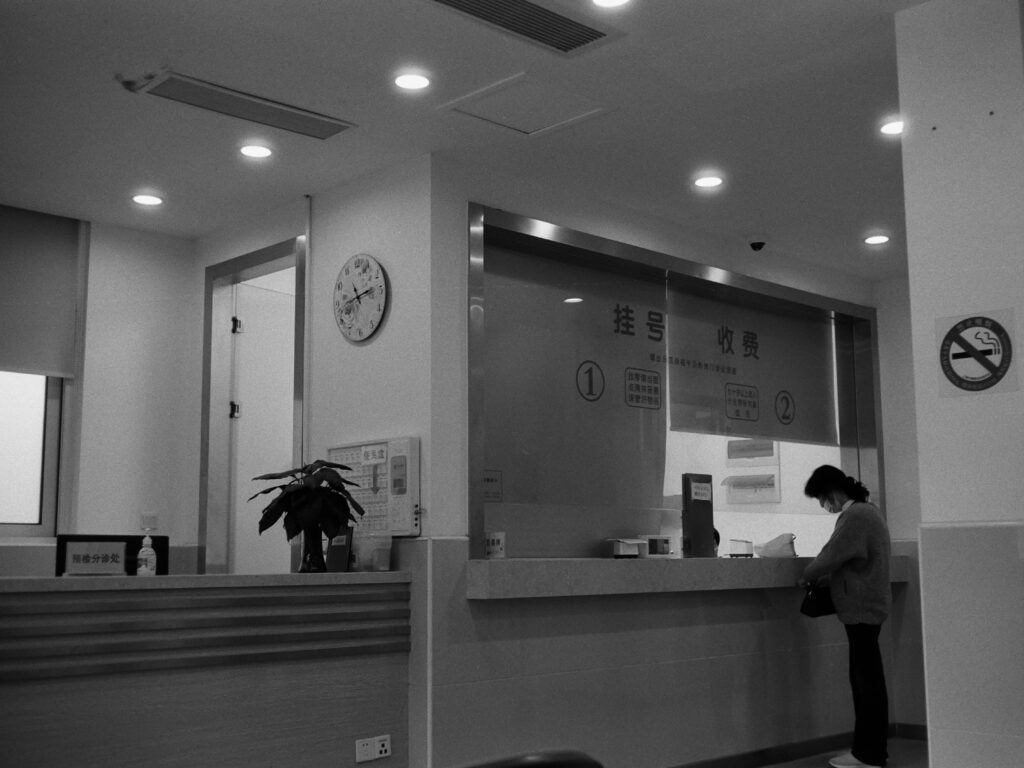
Travelers should carry an accessible payment method and emergency funds. The U.S. Department of State says medical care is not free in China and that hospitals may require payment before service or admission, including in emergencies. It also notes that Medicare and Medicaid do not normally cover expenses abroad and that many overseas providers do not accept U.S. insurance directly.
Insurance may operate through direct billing, a guarantee of payment or reimbursement after the patient pays. These are not interchangeable. A hospital appearing in an insurer’s network does not always guarantee that every department, physician or service is covered.
Contact Your Insurer Early
Call the insurer or assistance company as soon as practical. Ask whether pre-authorization is required, which hospitals are recognized, whether the hospital can direct bill, what documents are needed and whether medical evacuation is covered. The U.S. Department of State strongly recommends considering medical evacuation insurance, especially when traveling where care may be limited.
Keep reference numbers, names of representatives and written confirmation. Do not assume an email from the insurer automatically authorizes every test or treatment; hospitals and insurers may need to communicate directly.
Manage the Language Barrier Safely
English-speaking doctors and nurses may be available at larger hospitals, but this is not universal. For complex diagnoses, surgery, consent forms or important treatment decisions, use the hospital’s professional interpretation resources or a qualified medical interpreter whenever available.
General bilingual assistance can help with registration, navigation, queueing and payment, but it should not replace clinical interpretation. Translation apps may help with simple logistical phrases, yet they are not reliable enough for high-risk medical decisions.
Collect Every Important Document
Before leaving the hospital, request the diagnosis or visit summary, prescriptions, test reports, imaging files if available, invoices, itemized charges and proof of payment. If admitted, request discharge documentation and follow-up instructions. These records can be essential for reimbursement and continued care after returning home.
If the patient leaves China before all results are ready, ask whether electronic access is available or whether an authorized representative can collect the documents later.
Build a Simple Travel Health Plan Before Departure

Good preparation reduces confusion: purchase suitable travel insurance, disclose pre-existing conditions, save emergency contacts, carry medication in original packaging, keep digital medical records and identify reputable hospitals near your hotel. China’s healthcare system handled billions of visits annually; official data recorded 10.15 billion patient visits in 2024, illustrating the scale of the system and also why large hospitals may feel busy.
How MedigoChina Can Help
MedigoChina can help travelers in Shanghai and Hangzhou coordinate non-emergency appointments, confirm administrative insurance pathways, arrange health-checkup bookings and provide in-person hospital process assistance. Emergency cases should contact 120 or go directly to the nearest appropriate emergency department.
Medical Disclaimer
MedigoChina is an independent medical coordination and patient-assistance platform, not a medical provider. We do not diagnose conditions, recommend treatments, guarantee appointment availability, or provide medical opinions. Clinical decisions must be made by qualified healthcare professionals. In an emergency, contact local emergency services immediately.