
You have 0 items in your cart


China is becoming more visible as a healthcare destination for international visitors, expats, and patients who are looking for timely, specialized, and cost-conscious medical support. For many foreign patients, the decision is not only about treatment cost. It is also about access, efficiency, hospital capacity, and whether someone can help them understand the local medical system.
China’s healthcare system is large and highly active. By the end of 2024, China had around 39,000 hospitals and more than 1.09 million medical and health institutions, according to China’s National Bureau of Statistics. This scale means that major cities such as Shanghai and Hangzhou have extensive hospital networks, including large public hospitals, specialist departments, international clinics, and private medical centers.
1. Strong Hospital Capacity in Major Cities
For foreign patients, the most attractive destinations are usually major cities, especially Shanghai, Beijing, Guangzhou, Shenzhen, and Hangzhou. These cities have large tertiary hospitals, specialist departments, advanced imaging facilities, and doctors with experience treating international patients.
Shanghai, in particular, has been expanding its international medical services. The Shanghai government reported that 22 public medical institutions had been approved as international medical tourism pilot units since September 2023, and public hospitals in the city served 73,200 foreign patients in 2025, up more than 8% year on year.
2. Shorter Waiting Time Can Be a Major Reason
In some countries, patients face long waiting times for specialist appointments, elective surgery, dental care, diagnostic imaging, or second opinions. OECD data shows that in 2024, median waiting times for procedures such as hip replacement could exceed several months in some countries, with especially long waits reported in places such as Hungary, Chile, Poland, and Slovenia.
China is not “instant healthcare,” and patients still need proper appointments, documents, and triage. However, in major cities, many patients may find it possible to arrange consultations, checkups, dental treatment, imaging, or specialist visits more quickly when they have the right local support.
3. Medical Travel Is Becoming Easier

China has made international travel easier through expanded visa-free and transit policies. The National Immigration Administration states that China’s 240-hour visa-free transit policy applies to nationals of 55 countries, including the United Kingdom and the United States. This has made it easier for some travelers to combine a China trip with health checkups, dental consultations, specialist appointments, or follow-up care.
For patients traveling between Shanghai and Hangzhou, the high-speed railway is also convenient. The Shanghai–Hangzhou route can take around 45 minutes to about one hour on faster services, making two-city medical and travel planning more practical.
4. China Can Be Attractive for Health Checkups, Dentistry, and Specialist Visits
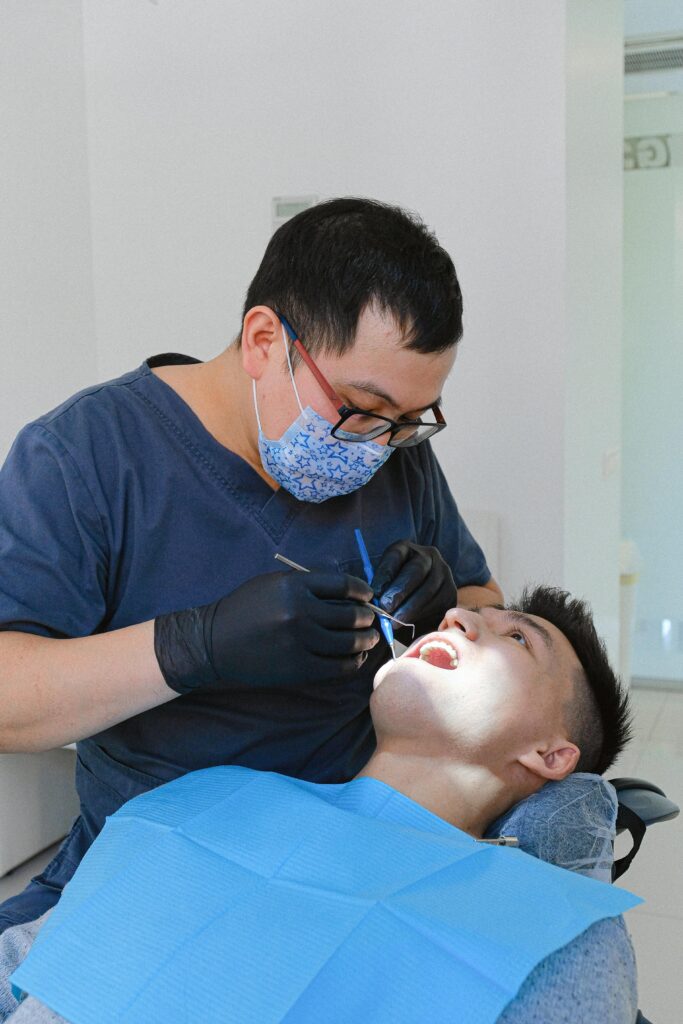
Not every patient travels for complex surgery. Many foreign patients are interested in:
Health checkups, blood tests, ultrasound, CT or MRI scans, dental care, ophthalmology, orthopedics, gastroenterology, cardiology, women’s health, dermatology, rehabilitation, and second opinions.
For these services, the challenge is often not whether China has hospitals. The real challenge is knowing which hospital to choose, how to book, what documents to prepare, how to pay, and how to navigate the hospital on the day of the visit.
5. The Main Barrier: Language and Process
Foreign patients may face several problems when trying to use Chinese hospitals directly. Hospital registration systems may require Chinese phone numbers, Chinese-language forms, WeChat mini-programs, local payment methods, or local ID formatting. Some hospitals have international departments, but not every department or doctor is easy to book from overseas.
This is where a medical coordination platform can help. Instead of replacing the hospital, a platform helps patients understand the process, prepare documents, choose the right service category, and reduce communication friction.
How MedigoChina Helps
MedigoChina helps international patients access medical services in Shanghai and Hangzhou through appointment coordination, insurance pre-check support, document retrieval support, and in-person bilingual hospital assistance where available.
Our goal is simple: make healthcare access in China clearer, more transparent, and easier to navigate for foreign patients.
Need help booking a hospital appointment in China? Visit MedigoChina to explore appointment coordination, health checkup booking, insurance support, and patient assistance services.